
Heating System 101: Comparing Ductless Systems, Heat Pumps, Furnaces, and Boilers

Mother and daughter enjoying winter nature in the windowWhen it comes to keeping your home warm and comfortable, choosing the right heating system is essential. At Reidy Heating & Cooling, Inc., we understand that every home has unique needs. That’s why we offer a variety of heating systems to ensure you find the perfect fit. In this guide, we’ll compare and contrast four popular heating options: ductless systems, heat pumps, furnaces, and boilers.

Ductless Systems

Ductless systems, also known as mini-splits, are ideal for homes without existing ductwork. They consist of an outdoor unit and one or more indoor units, providing zoned heating. This means you can heat specific areas of your home, leading to energy savings and personalized comfort.

Pros:

  • Energy efficient
  • Easy installation
  • Zoned heating for customized comfort

Cons:

  • Initial installation cost can be higher
  • May not be suitable for large homes

Heat Pumps

Heat pumps are versatile systems that can provide both heating and cooling. They work by transferring heat from the outside air into your home during winter and reversing the process in summer. There are two main types: air-source and ground-source (geothermal) heat pumps.

Pros:

  • Highly energy efficient
  • Dual functionality (heating and cooling)
  • Environmentally friendly

Cons:

  • Performance can drop in extremely cold temperatures, although improvements in technology have made this less of a concern with modern heat pump systems
  • Higher initial installation cost for geothermal systems

Furnaces

Furnaces are one of the most common heating systems in the US. They work by blowing heated air through ducts to distribute warmth throughout your home. Furnaces can run on various fuels, including natural gas, oil, and electricity.

Pros:

  • Reliable and effective heating
  • Wide availability and service options
  • Can be combined with central air conditioning

Cons:

  • Requires ductwork
  • Fuel costs can vary

Boilers

Boilers heat your home by distributing hot water or steam through radiators or radiant floor systems. They can be powered by natural gas, oil, or electricity. Boilers provide even and comfortable heat, making them a popular choice for older homes.

Pros:

  • Even and consistent heating
  • Can also provide hot water
  • Quiet operation

Cons:

  • Installation can be more complex
  • May require more maintenance

Reidy can help you get the heating system that’s right for your home.

Choosing the right heating system for your home can be daunting, but Reidy Heating & Cooling, Inc. is here to help. Whether you’re interested in the zoned comfort of ductless systems, the versatility of heat pumps, the reliability of furnaces, or the consistent warmth of boilers, we have the expertise to guide you. We’ll work with you to assess your home’s needs and recommend the best heating system — along with expert installation — to keep you warm and cozy all winter long.

Ready to find the perfect heating solution for your home? Contact Reidy Heating & Cooling, Inc. today!
Updating Your HVAC System this Spring? Heat Pumps are an Option.

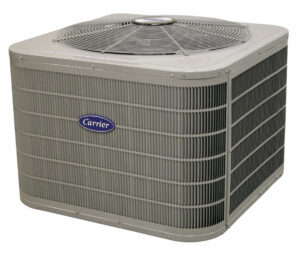
heat pumpOnce spring arrives, people often start to think about home improvement projects. If you’ve been considering upgrading your home’s HVAC system, you may have already done some research on what types of equipment are available. If so, it’s likely you’ve heard about heat pump systems.

While heat pumps have been around for a while, they haven’t been widely used in the Northeast until recently. This is because they didn’t always work great in colder temperatures. But new technology has made heat pumps a viable option for home heating in cold climates, and that means more people now have a choice when it comes to using them in their homes.

How do heat pump systems work?

Heat pump systems don’t use fossil fuels like traditional oil or gas burning systems. Instead, they extract heat from the air or ground and then pump the heat into your home. This makes them operate more efficiently, and in a more environmentally sound fashion. And that makes them a great HVAC solution for people who are concerned about saving energy – and reducing their carbon footprint.

What are some other benefits of installing a heat pump system?

As we mentioned above, heat pumps are highly energy efficient and provide clean heating. But there are even more reasons to choose a heat pump system for your home, including:

  • Flexibility: Heat pump systems are available that can work in homes that have a central duct system, as well as homes without ductwork. Ductless heating systems use heat pump technology and are an efficient alternative to electric baseboard heating.
  • Air Quality: Heat pumps can help improve indoor air quality because they don’t burn fuel, which can release odors into your home’s air. They also generally provide excellent filtration of the air moving through your home, which means you and your family will enjoy cleaner air
  • Air Conditioning: One of the major benefits of installing a heat pump system in your home is that they also provide cooling in the summer. Because they operate by extracting heat from the air, this process can be reversed during the summer months – offering you a year-round home comfort solution.
  • Incentives: Because they are energy-efficient, clean, and an all-in-one HVAC solution, there are often incentives available for homeowners who choose to install a heat pump system in your home. So not only can you save on your energy bills for years to come, you can also save on the up-front costs.

Does Reidy install heat pump systems?

We sure do! When you choose Reidy for your heat pump installation in Holyoke or the surrounding areas, you can count on us to provide you with the best equipment available. Our heat pumps are durable, providing you with years of home comfort.

And, our heat pumps are energy efficient, so you can enjoy better heating as well as lower utility bills. Not to mention, because we’re a full-service home comfort contractor, you can count on us to provide you with any future heat pump maintenance or repair services you may need.

Sounds great! How can I schedule a consultation?

If you’re considering a heat pump installation for your home, Reidy Heating & Cooling is ready to assist you. Call us today at (413) 534-3749 to find out how we can help you get an energy-efficient heat pump system for your home.

Updating Your Home Heating Equipment? Learn About the Types of Heating Systems.

mother and child snuggle under blanket on couch while readingWith the return of chilly weather, many homeowners are thinking about ways they can improve their home comfort. If they have old, outdated heating equipment in their home, they may be considering replacing it with newer equipment. There are many reasons why replacing older equipment might be a good idea.

When heating equipment ages, it loses some of its ability to adequately keep your home warm. It may use more energy than it should. Often, people add to their homes without updating their heating equipment, and that can make equipment work harder than it should and wear out more quickly. And, the older your heating equipment gets, the more likely it is to need larger, more expensive repairs. If you’ve noticed any of these concerns with your current heating system, keep reading to learn about the different types of heating available for your home.

5 Types of Residential Heating Systems

Below, learn more about the five types of heating systems offered by Reidy Heating & Cooling, Inc. – how they work to heat your home, and how they can improve your energy consumption and home comfort.

  1. Furnaces: Many homeowners use furnaces to keep their homes warm when the temperatures dip down. Most furnaces use gas or oil for home heating. Furnaces usually require a system of ductwork to deliver heated air throughout the home, commonly known as forced-air heating. Today’s furnaces are much more efficient than their predecessors, with some achieving efficiencies as high as 98.5%.
  2. Boilers: Boilers generally use oil or gas, and operate by sending heated water or steam through pipes throughout the home. The hot water or steam is distributed throughout the home via baseboard radiators or radiant floor systems. Boilers tend to last a long time, but that can mean an older boiler in your home may be using more energy than a modern, high-efficiency boiler system.
  3. Heat Pumps: Heat pumps are ultra-efficient, and in recent years have been engineered to function even in colder climates. Heat pumps use the heat from the air or ground to heat your home, and they do not need fossil fuel in order to operate. Instead, they’re able to extract heat and pump it into your home. As an added benefit, many models are able to reverse the process in the summer, effectively cooling your home as well.
  4. Ductless Heating: Ductless heating is a perfect choice for homes without ductwork, or for additions or converted spaces that don’t have access to the home’s central duct system. Most ductless systems use heat pump technology to heat homes, and, like centralized heat pump systems, are often able to cool the home during warmer weather. Ductless systems are installed as separate units throughout your home, and are easily controlled via remote.
  5. Baseboard Heating: Baseboard heating can be a component of a boiler system, or can operate independently from room to room using electricity to generate the heat. Electrical baseboard heat offers targeted comfort, and is usually controlled via thermostat on a room-to-room or zoned basis.

I’d like to learn more about upgrading my heating system. Can Reidy help?

At Reidy, we provide complete heating services to our customers, including new installation of quality heating equipment. We will be more than happy to talk to you about your current heating system, and help you find an upgrade that meets your lifestyle needs as well as your budget. Call us today at (413) 534-3749 to find out how we can help you with your home heating needs.